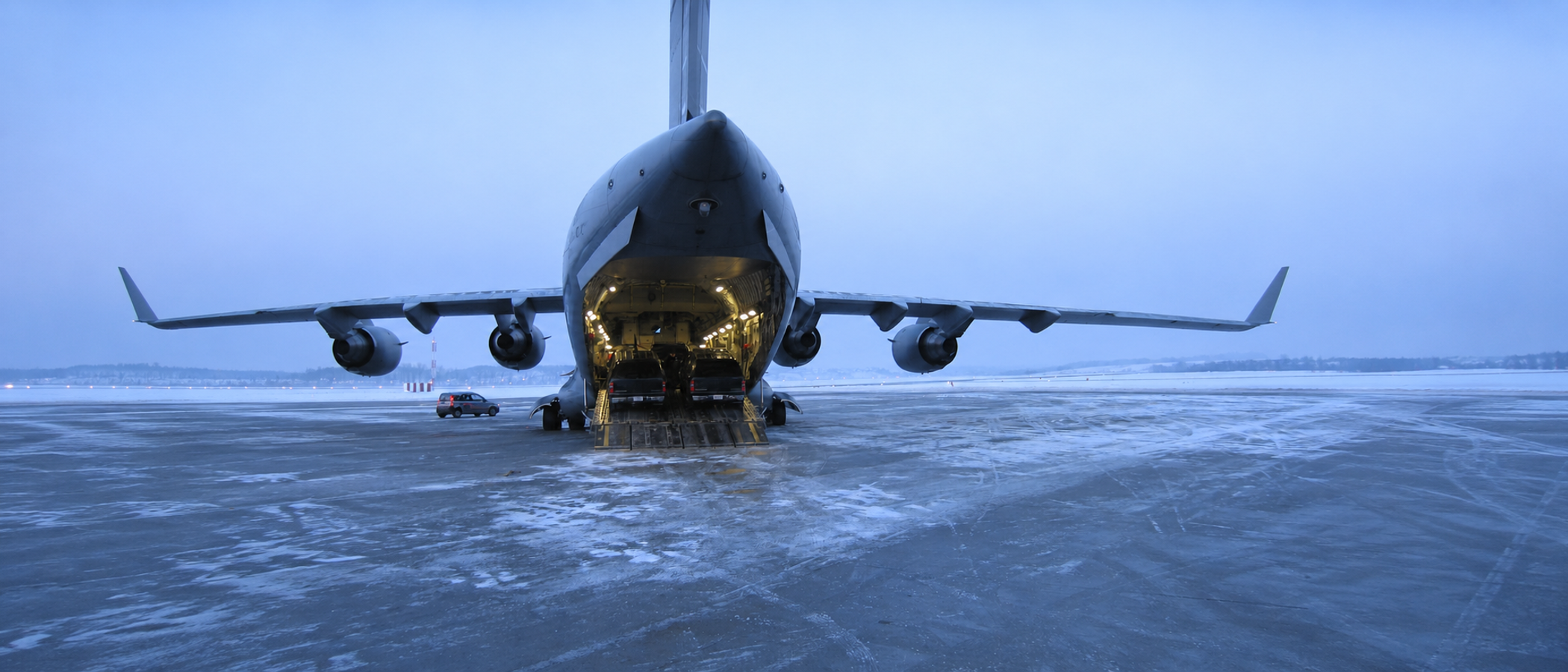
When I was assigned to the U.S. Secret Service’s Vice Presidential Protection Division, the resources available for a protective visit were substantial, to say the least.
Armored vehicles, known within the agency as hard cars, could be transported almost anywhere in the world aboard a USAF C-17. We called it the “car plane.” Counter-sniper teams, magnetometer operations, helicopter support, and other specialized assets could be requested and were regularly provided. If a site required additional agents to secure it, we ordered the necessary “poststanders.”
The office and threat environment supported that level of resourcing. The agency had the personnel, equipment, and support structure to carry out that mission.
That was the environment in which I learned protection. We assessed the site, identified the requirements, and requested the personnel and equipment needed to address them. Cost existed somewhere in the process, but it rarely affected my operational decisions.
Working with what’s available
Private-sector protection operates without that institutional scale.
The team often enters an environment it does not control. The venue sets its access policies. Local law enforcement decides what support it can provide, if any. Hotel employees, event staff, drivers, assistants, and corporate security may be involved, but they may have separate responsibilities and reporting lines. I can no longer assume that specialized assets or additional personnel will be available on request. Moving into private protection means building the plan around support I can confirm.
We start by assessing the threats, vulnerabilities, and resulting risk. That assessment identifies where the protectee is exposed and which parts of the schedule require the most attention. We then determine which protective functions must be covered. Personnel and equipment follow those requirements.
A missing resource changes the operation. If screening is unavailable, we cannot treat the site as screened. If we lack enough personnel to cover every access point, we cannot treat every entrance as controlled. If an extra vehicle is unavailable when needed, transportation and movement planning have to account for that.
Knowing what support you actually have
With fewer personnel, there is less room to compensate for gaps in advance work. Information gathered before the protectee arrives gives the team time to resolve problems and arrange support. We need to know which entrances can be controlled, who has authority over them, what venue security will actually do, where transportation can stage, and what medical resources are available. A smaller team has less capacity to resolve those issues on arrival. Uncertainty consumes limited personnel quickly.
Without the Secret Service badge, I also have to approach that coordination differently. Access and support I once arranged through the agency now depend on the cooperation of people who answer to someone else.
Existing security can support the plan, but its capabilities have to be verified. A uniformed guard may control employee access but have no authority over guests. An off-duty police officer may be assigned to traffic and unavailable for another role. A hotel may have cameras without anyone actively monitoring them. Counting those resources without understanding their duties or limitations creates coverage that exists only on paper.
Adapting the operation
Limited personnel must be placed where they have the greatest effect. That may require shortening an exposed movement, changing an entrance, reducing time in an uncontrolled area, repositioning transportation, or removing an unnecessary stop. Spreading a small team across too many assignments can leave critical duties competing for the same person’s attention.
Contingency planning follows the same principle. A plan that depends on one entrance, one vehicle, or one outside contact can fail at a single point. Alternatives must be practical and available.
A backup that cannot be reached, authorized, or implemented is not a backup.
Planning and coordination can reduce exposure, but they cannot create a capability that does not exist. When a required resource is unavailable, the operation has to change. That may mean adding personnel, revising the schedule, moving an activity to another venue, or removing something the available team cannot support.
What comes with us
The car plane was one part of a larger protective system that supplied the vehicles, personnel, and specialized support the mission required. Private clients do not arrive with that system behind them.
At PPS, the planning discipline comes from that experience. Having worked within that system, we understand the purpose behind its protective measures and what changes when a capability is unavailable. We apply that knowledge to the risks and resources of each private engagement.
The car plane may be absent, but the plan still has to account for the capabilities it once delivered.